AVIATION PHILIPPINES: PILOT TRAINING NEAR MANILA
Top flight academies and aviation courses with simulator training.
Accelerated private pilot license (PPL) programs available.
Pilot-First Approach: Understand real training costs, validate interest, then commit with clarity.
PILOT TRAINING PATHS
Pilot training in the Philippines follows a structured progression. Most aspiring pilots begin by understanding training pathways, costs, and time commitment before enrolling in a flight academy.
Below is an overview of common aviation courses in the Philippines for planning and education.
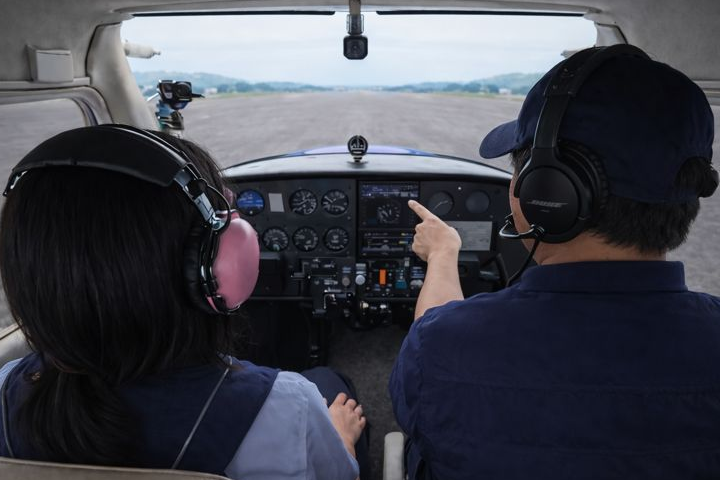
PRIVATE PILOT LICENSE (PPL) COURSE
The Private Pilot License (PPL) is the foundation of all flight training. It introduces core flight principles, aircraft handling, and aviation communication.
Most pilots pursue the PPL after confirming interest, budget, and comfort with flight operations.
PPL Focus Areas
● Fundamental flight principles and aircraft control
● Visual Flight Rules (VFR) operations
● Airspace structure and radio communication
● Standard maneuvers and safety procedures
COMMERCIAL PILOT LICENSE (CPL) COURSE
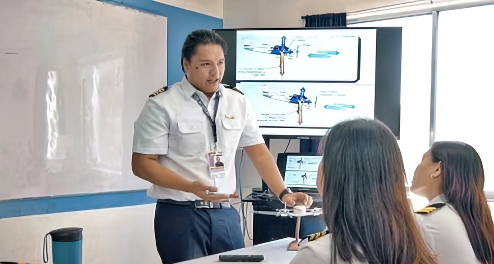
The Commercial Pilot License (CPL) is required for professional flying, including general aviation and airline pathways.
Pilots typically pursue CPL after completing PPL, instrument training, and building sufficient flight experience.
CPL Focus Areas
● Advanced flight maneuvers
● Commercial aviation procedures
● Operational decision-making
● Professional flight discipline
INSTRUMENT RATING (IR) COURSE
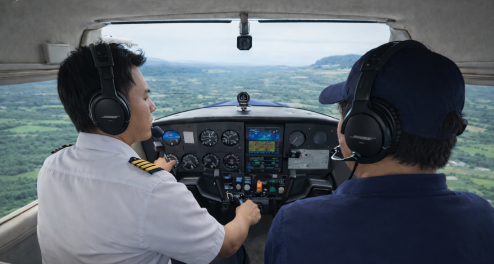
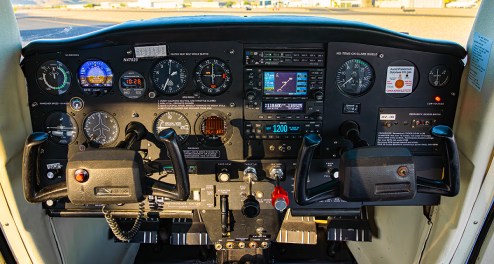
The Instrument Rating (IR) allows pilots to operate safely in low visibility and complex weather conditions using aircraft instruments.
Many pilots consider IR the most valuable safety and skill upgrade after PPL.
IR Focus Areas
● Instrument flight rules (IFR)
● Navigation systems and procedures
● Instrument departures and arrivals
● Day and night instrument operations
FLIGHT INSTRUCTOR (FI) COURSE
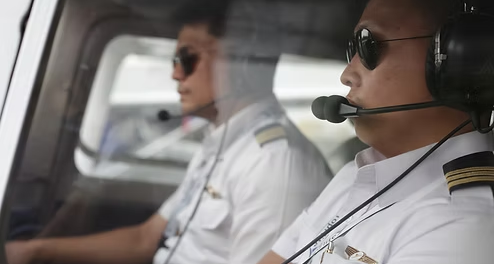
Becoming a Flight Instructor (FI) allows pilots to teach while building flight hours.
This path is commonly used by pilots preparing for airline or advanced commercial roles.
FI Focus Areas
● Flight instruction methods
● Demonstration maneuvers
● Student evaluation and safety oversight
● Instructor regulatory responsibilities
Eligibility & Licensing Overview
Pilot training requirements vary by license and flight academy. Licensing requirements vary by authority and training provider. The information below is provided for planning and reference. Final requirements vary by flight academy and aviation authority.
Private Pilot License
- Minimum age: 16
- Class II medical certificate
- Written knowledge test
- Practical flight test
Commercial Pilot License
- Minimum age: 18
- Class I medical certificate
- Written knowledge test
- Practical flight test
Instrument Rating
- Valid pilot license
- Instrument flight training hours
- Written and practical tests
Flight Instructor
- Commercial pilot license
- Instructor eligibility
- Written and practical instructor exams
FLIGHT SIMULATION: TRY BEFORE YOU COMMIT
Flight simulation allows aspiring pilots to experience aircraft controls, navigation fundamentals, and training flow before committing to flight hours or formal enrollment.
Simulation is commonly used to validate interest, estimate learning pace, and prepare for pilot training near Manila.
Simulator availability and training details shared by request.
ESSENTIAL PILOT GEAR
Most pilots do not begin by enrolling in a full flight course. They start by purchasing essential gear—especially a reliable aviation headset—used throughout training and beyond.
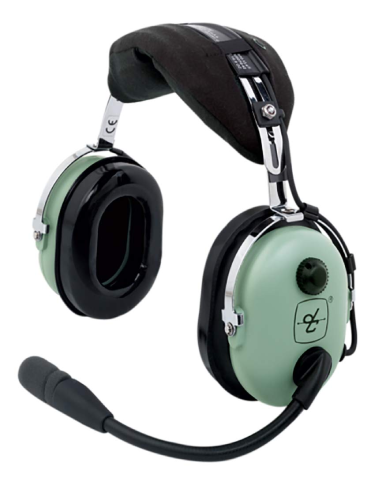
DAVID CLARK H10-13.4 HEADSET
A widely used passive noise-reduction headset in pilot training. Known for durability, clear communication, and simplicity. Commonly chosen by student pilots during early flight lessons.
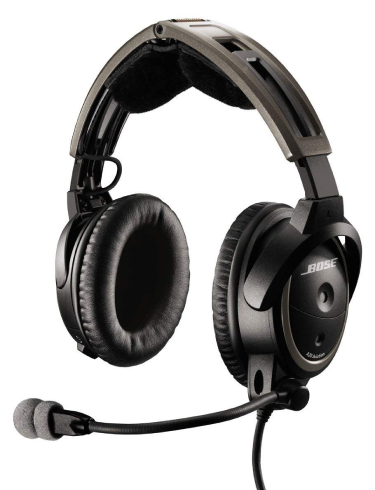
BOSE A20 HEADSET
A premium active noise-reduction aviation headset designed for long training sessions. Lightweight, comfortable, and commonly selected by pilots upgrading after initial training.